
Negócios
How AI is Transforming App de Delivery and Restaurant Delivery Services
Terça-feira, 19 Maio de 2026 - 15:52 | Redação
Artificial Intelligence (AI) is rapidly changing the way businesses operate, and the food industry is no exception. From improving customer experiences to optimizing delivery routes, AI is playing a major role in modern food logistics. Today, both customers and restaurants rely heavily on digital platforms for convenience, speed, and accuracy. As a result, the demand for smarter app de delivery systems and efficient restaurant delivery services continues to grow.
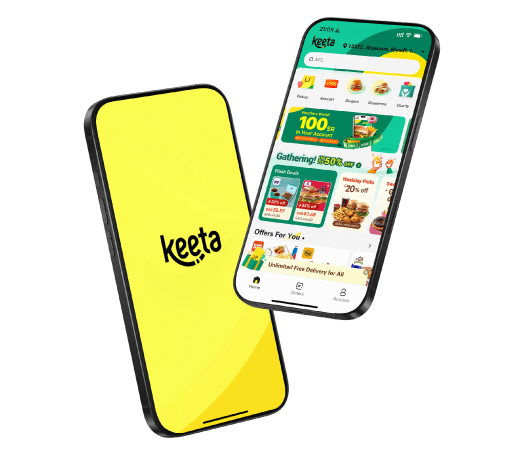
In recent years, AI-powered technologies have helped restaurants streamline operations, reduce costs, and provide faster deliveries. Whether it’s predicting customer preferences or automating order management, AI is shaping the future of food delivery in remarkable ways.
The Rise of AI in Food Delivery
The growth of online food ordering has created intense competition among delivery platforms. Customers expect quick service, accurate tracking, and personalized experiences. To meet these expectations, businesses are integrating AI into their app de delivery platforms to improve efficiency and customer satisfaction.
AI can analyze large amounts of data in real time. This allows delivery companies and restaurants to predict peak ordering times, optimize delivery routes, and reduce waiting periods. As a result, modern restaurant delivery services are becoming more reliable and cost-effective.
Additionally, AI-powered chatbots and virtual assistants are helping businesses handle customer inquiries instantly. Instead of waiting for human support, users can quickly receive order updates, recommendations, and problem resolutions through automated systems.
Personalized Customer Experiences
One of the biggest advantages of AI is personalization. Food delivery apps now use machine learning algorithms to study customer behavior, preferences, and order history. This helps businesses recommend meals that customers are more likely to purchase.
For example, an app de delivery platform can suggest favorite dishes based on previous orders or recommend nearby restaurants during lunch hours. Personalized promotions and discounts also increase customer engagement and encourage repeat purchases.
At the same time, AI helps improve the overall restaurant delivery experience by ensuring accurate order predictions and reducing human errors. Customers appreciate convenience, and AI makes the ordering process smoother and faster.
Smarter Route Optimization
Delivery speed is one of the most important factors in food delivery services. AI-driven route optimization tools analyze traffic conditions, weather updates, and road closures to determine the fastest routes for drivers.
This technology significantly improves restaurant delivery performance by reducing delays and fuel costs. Customers receive their meals faster, while businesses save money on transportation expenses.
Many companies are now integrating real-time GPS tracking into their app de delivery systems. Customers can monitor their orders live, increasing transparency and trust in the service.
AI and Automated Order Management
Restaurants often struggle with managing high volumes of online orders, especially during busy hours. AI helps automate this process by organizing incoming orders, prioritizing tasks, and reducing mistakes.
Modern app de delivery platforms can automatically send orders to kitchen staff, estimate preparation times, and notify drivers when orders are ready for pickup. This creates a seamless workflow between restaurants and delivery personnel.

Automation also enhances restaurant delivery efficiency by minimizing delays caused by manual coordination. Restaurants can focus more on food quality and customer service instead of handling repetitive administrative tasks.
Predictive Analytics for Better Business Decisions
AI-powered predictive analytics helps restaurants make smarter business decisions. By analyzing customer trends and seasonal demand, businesses can better manage inventory and staffing levels.
For instance, an app de delivery system can predict which menu items will be most popular during weekends or special events. Restaurants can prepare ingredients in advance, reducing food waste and improving operational efficiency.
Similarly, predictive tools improve restaurant delivery planning by forecasting delivery demand in specific areas. Businesses can allocate more drivers during peak hours and maintain faster service.
Enhanced Food Safety and Quality Control
AI technology also supports food safety and quality management. Smart sensors and monitoring systems can track food temperatures during transportation to ensure meals remain fresh and safe.
This is particularly important for restaurant delivery services handling perishable items. Maintaining food quality helps restaurants build customer trust and protect their reputation.
Some advanced app de delivery platforms even use AI to analyze customer feedback and identify common complaints. Restaurants can quickly address issues and improve service quality over time.
The Future of AI in Food Delivery
The future of AI in food delivery looks extremely promising. Emerging technologies like autonomous delivery vehicles, drones, and robotic kitchens are already being tested in several countries.
As AI continues to evolve, businesses using intelligent app de delivery solutions will gain a competitive advantage in the market. Faster deliveries, personalized experiences, and smarter operations will become standard expectations for consumers.
At the same time, AI will continue improving restaurant delivery systems by making them more efficient, accurate, and customer-focused. Restaurants that adopt these technologies early are likely to experience stronger customer loyalty and higher profits.
Conclusion
Artificial Intelligence is transforming the food delivery industry in powerful ways. From personalized recommendations and automated order management to smart route optimization and predictive analytics, AI is improving every aspect of food logistics.
Businesses investing in advanced app de delivery technology can provide better customer experiences, reduce operational costs, and increase efficiency. Likewise, AI-powered restaurant delivery services are helping restaurants meet growing customer demands while maintaining quality and speed.
As technology continues to evolve, AI will remain a key driver of innovation in the food delivery industry. Companies that embrace these advancements today will be better prepared for the future of digital dining and delivery services.


